
June Is National Oral Health Month!
June 26, 2026 9:00 amJune often brings a shift in routine. School is out, summer trips get planned, kids spend more time at the pool, and regular meals can turn into snacks in the car, iced drinks, and later bedtimes. It is a fun time of year, but it can also be when brushing gets rushed, floss stays in the drawer, and dental appointments keep getting pushed off.
National Oral Health Month is a good reminder to check in on what has been happening with your teeth and gums lately. Maybe you have been meaning to schedule a cleaning. Maybe your gums have been bleeding when you brush. Or perhaps one tooth has started reacting to cold drinks, and you have been hoping it settles down on its own.
You do not need to overhaul your whole routine in June. Often, it comes back to a few basics: brush carefully, clean between your teeth, drink more water, and pay attention to anything that has felt different for a while.
At Cactus Point Dental in Chandler, AZ, Dr. Jarom Stradling and Dr. David Smith help patients stay on top of preventive care before small concerns become more disruptive. Early summer can also be a convenient time to come in before vacations, camps, family events, and back-to-school plans start filling the calendar.
A Cleaning Can Show More Than You Can See at Home
It is possible for a tooth to look fine in the mirror while something is starting between it and the tooth beside it. A cavity can form in a hard-to-see area. An older filling may begin to wear at the edge. Gum disease can also build slowly, sometimes showing up first as a little blood in the sink or floss that looks pink afterward.
That is where routine cleanings and exams come in. A professional cleaning removes plaque and tartar from areas that are difficult to reach at home, particularly around the gumline and between teeth. A regular visit gives the team a chance to look at where things stand now and catch changes that may be easy to miss at home. Then, if anything needs attention, Dr. Stradling or Dr. Smith can walk you through what they found and what the next steps may look like.
Getting in early during the summer can also take some pressure off later. Once travel, camps, work schedules, and back-to-school errands start stacking up, it can be harder to find a time that works for everyone.
Give Your Brushing Routine a Quick Reset
Most people already know they should brush twice a day. The part that can slip is how carefully they brush when the day gets busy.
A fast pass over the front teeth may leave your mouth feeling fresh, but plaque tends to collect along the gumline, around the back molars, and on the inside surfaces facing the tongue. Those are also the places that are easiest to miss when you are late for work, helping kids get ready, or trying to get to bed after a long day.
A soft-bristled toothbrush and fluoride toothpaste are a good place to start. As you brush, aim the bristles gently toward the edge where the teeth meet the gums. There is no need to scrub hard. Pressing too firmly can leave gums sore while still missing the plaque sitting near the gumline.
It also helps to follow the same route each time. Start on one side, move across the front, then work your way around the other side. Brush the outside surfaces, chewing surfaces, and inside surfaces before you are done. That little bit of structure can keep brushing from becoming a quick swipe over the teeth you see first in the mirror.
Flossing Is Often the Habit That Slips First
Brushing handles most of the visible tooth surfaces, but it does not clean the narrow spaces between teeth very well. Food and plaque can settle there quietly, especially around crowded teeth, older fillings, crowns, bridges, or the back molars.
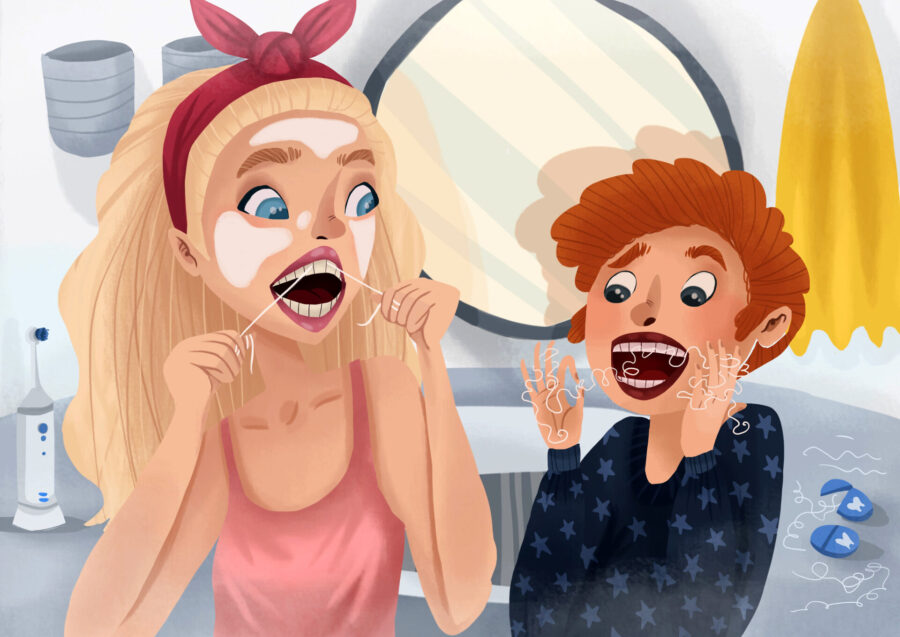
Flossing works best when it wraps around the side of each tooth. Slide the floss gently between two teeth, curve it into a C-shape against one tooth, and move it up and down a few times. Then move it against the tooth beside it before taking the floss out.
That takes a little more time than snapping floss straight through the space and pulling it right back out. Still, it gives you a better chance of cleaning the sides of the teeth, which are the areas a toothbrush cannot really reach.
Traditional floss is not the only choice. Interdental brushes can work well for wider spaces and certain types of dental work. A water flosser may be easier for someone with braces or for anyone who finds string floss frustrating. The best option is usually the one that fits into your evening routine often enough that it stops feeling like an extra chore.
When gums bleed after you restart flossing, keep the pressure light and stay with it. That bleeding can happen when the gums are already irritated from plaque buildup. If the same spots continue bleeding after a few weeks of regular care, bring it up at your next visit.
Summer Drinks Can Be Tough on Teeth Without Feeling Like a Big Deal
Summer tends to bring more drinks into the day. There may be iced coffee in the morning, lemonade at a cookout, a sports drink after a workout, soda in the car, and something cold by the pool.
The bigger concern is usually not one drink by itself. It is the slow sipping that stretches across an afternoon. Sugar gives cavity-causing bacteria something to feed on, while acidic drinks can wear on enamel over time. When the same drink stays in your hand for hours, your teeth keep getting exposed instead of having a break in between.
Water helps more than it gets credit for. It can rinse away some of what is left behind after coffee, juice, soda, sports drinks, or sweet snacks. It is also especially helpful in Chandler’s dry heat, when your mouth may start feeling dry before you even realize you are behind on hydration.
A simple habit is to take a few sips of water after a sweeter or more acidic drink. That does not erase the drink, of course, but it gives your mouth a better follow-up than continuing to sip the same thing until dinner.
When Your Mouth Feels Dry More Often Than Usual
A dry mouth can make teeth and gums more vulnerable because saliva does much more than keep your mouth comfortable. It helps wash food away, dilute acids, and clear sugars after meals and drinks.
Heat, dehydration, mouth breathing, certain medications, coffee, alcohol, and some health conditions can all play a role. You may notice a sticky feeling, more thirst than usual, bad breath that comes back quickly, trouble eating dry foods, or a mouth that still feels dry even after you drink water.
For many people, drinking water more regularly is the first place to start. During hot days, especially when you are outside, active, or moving between errands, it is easy to get behind on hydration without noticing until your mouth feels dry and uncomfortable.
However, if dry mouth keeps showing up or seems to be getting worse, mention it at your dental visit. Ongoing dryness can raise the chance of cavities and make gum irritation harder to manage. Dr. Stradling and Dr. Smith can look for signs that dryness may be affecting your teeth and talk through what may help based on the cause.
Pay Attention to What Your Gums Are Telling You
Healthy gums usually look pink, sit close to the teeth, and do not bleed every time you brush or floss. When gums are red, puffy, tender, or bleeding often, plaque near the gumline is often part of the picture.
It can be tempting to avoid a spot that bleeds. However, skipping it usually allows more plaque to stay there. Instead, brush gently along the gumline and keep cleaning between the teeth, then watch to see whether the bleeding starts easing as the area gets cleaner.
Sometimes a more consistent home routine is enough to calm early gum irritation. Other times, tartar has already formed and needs to be removed during a professional cleaning. Tartar is hardened plaque, so brushing and flossing cannot take it off once it has attached to the teeth.
If your gums bleed regularly, feel sore, have started pulling away from the teeth, or come with bad breath that does not improve, it is worth scheduling a visit rather than waiting for the problem to settle on its own.
Older Dental Work Can Change Gradually
Crowns, fillings, bridges, and other dental work can last for years. Still, they can change over time, often in ways that are easy to ignore at first.
A filling may wear down at the edge. A crown can develop a rough spot. A bridge may begin trapping food where it never used to. You might notice cold sensitivity, discomfort when chewing, floss catching near a filling, or an edge you keep feeling with your tongue.
Sometimes there is no obvious sign at all. The change may only show up during an exam or X-ray, particularly if it is happening underneath a restoration or between teeth.
If something has felt slightly different for a while, mention it. A crown that feels high when you bite or a filling that catches floss gives your dentist a specific place to check. Looking at those details sooner can keep them from turning into a broken tooth, a loose restoration, or an emergency visit while you are out of town.
Keep Summer Dental Care Realistic
National Oral Health Month does not need to turn into a major reset. A few practical changes can carry you through the summer without adding much to your day.
You might replace an old toothbrush, move the floss somewhere you will see it, schedule the cleaning you have been putting off, or keep a water bottle nearby when you are out in the heat. For families, summer can also be a good time to bring children in before school mornings, homework, and sports schedules take over again.
It also helps to check on the dental supplies people rely on every day. Someone with braces may need more wax or floss threaders. A retainer wearer may need a clean case. Denture cleanser or a travel toothbrush can be easy to forget until you are halfway through a trip and realize it was left on the bathroom counter.
Those details may seem small, but they can make daily care easier to keep up with when the routine is less predictable.
National Oral Health Month in Chandler, AZ
June is a good point in the year to get dental care back into the routine before summer gets too busy. Brush carefully, clean between your teeth, keep water nearby, and pay attention to changes that have been hanging around longer than they should.
At Cactus Point Dental in Chandler, AZ, Dr. Jarom Stradling and Dr. David Smith can help with preventive care, gum concerns, older dental work, and questions about keeping your family’s smiles healthy through summer. Call to schedule your visit and get caught up before the season moves any faster.
Image from Authority Dental under CC 2.0
Categorised in: Gum Health, Oral Health, Oral Hygiene